The Director of the ISRS spoke at the Doha Forum about the strategic importance of the Termez Dialogue
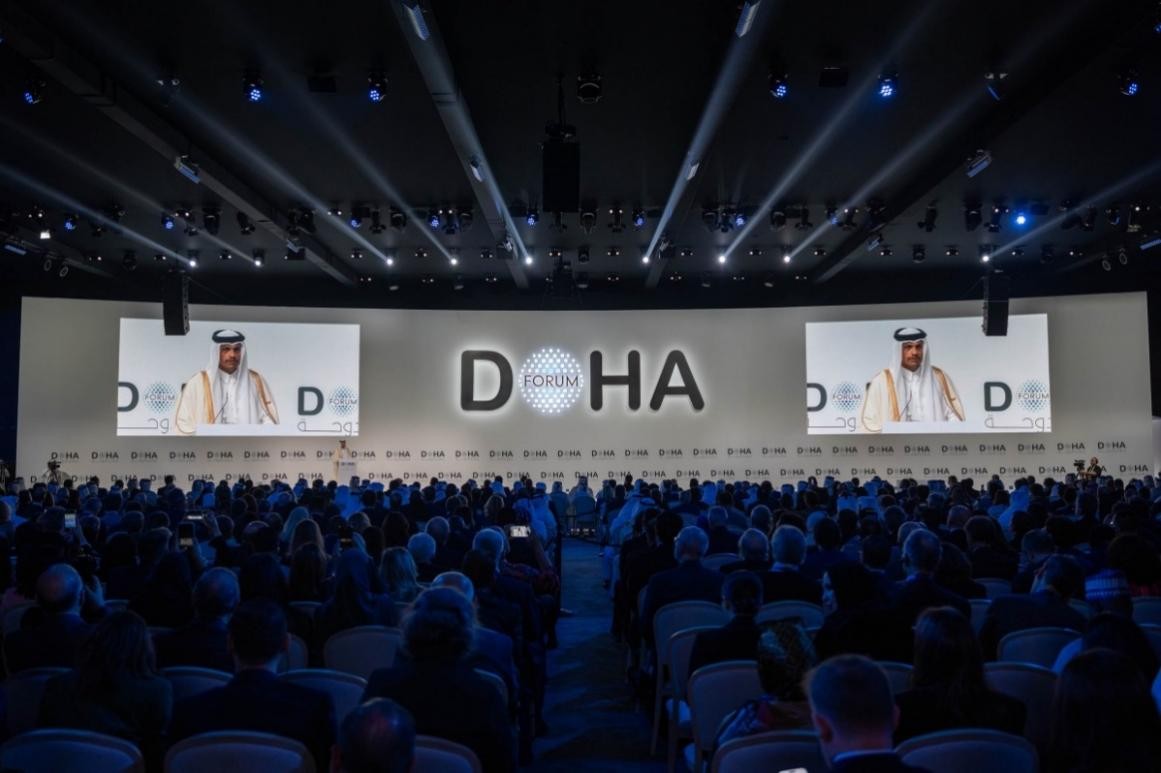
The annual Doha Forum, a leading global platform for discussing international trends, diplomatic initiatives, and sustainable development strategies, concluded in Doha. Since its inception in 2002, the forum has become a space bringing together world leaders, representatives of international organizations, think tanks, and the academic community. The 2025 event, held under the theme "Justice in Action: Beyond Promises to Progress," attracted approximately 8,000 participants from 150 countries.
The forum focused on peacebuilding, regional connectivity, and sustainable development. At the center of this global discussion was a special session devoted to the Termez Dialogue—an initiative launched by Uzbekistan aimed at creating a new architecture of connectivity between Central and South Asia through the active engagement of Afghanistan.
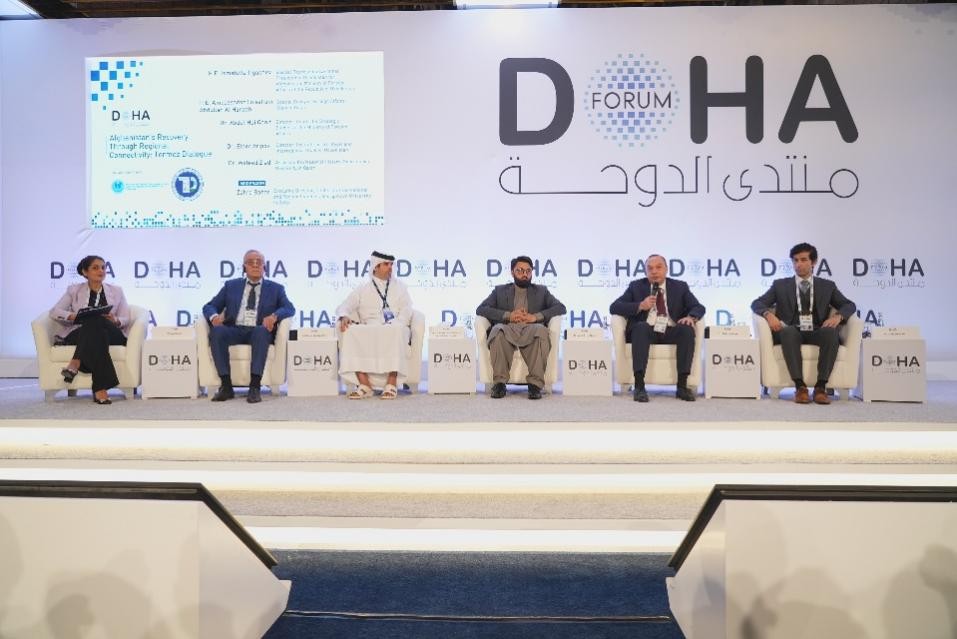
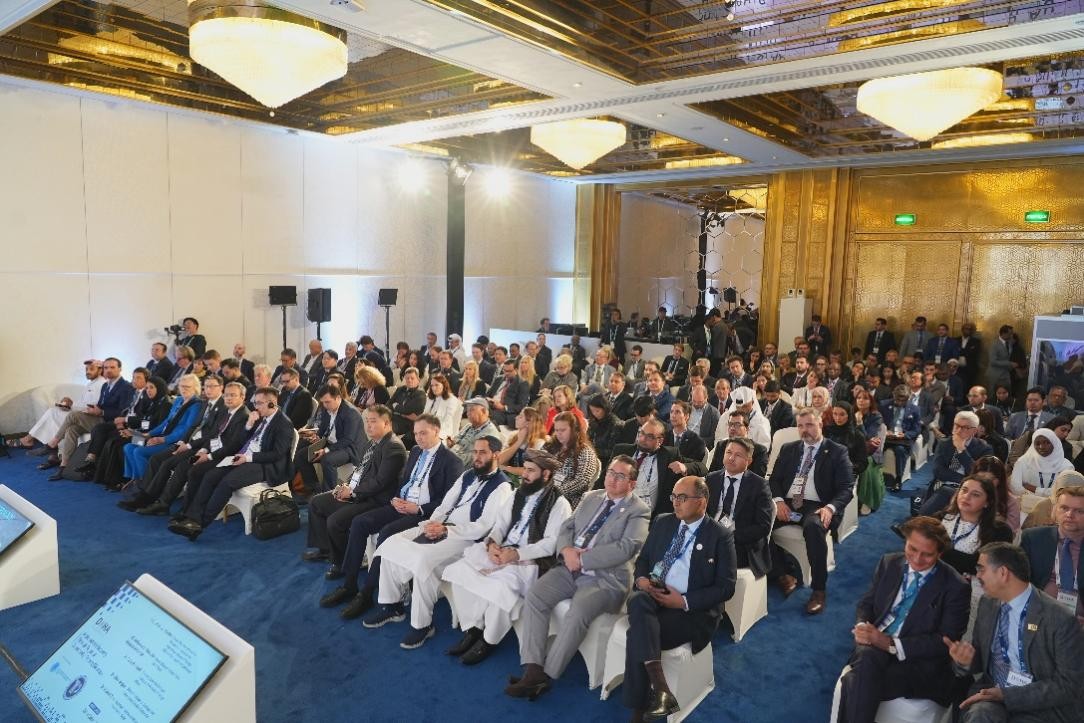
The session was held by the Institute for Strategic and Regional Studies under the President of Uzbekistan (ISRS) jointly with the Center for International and Regional Studies at Georgetown University in Qatar.
Participants in the discussion included Eldor Aripov, Director of the Institute for Strategic and Regional Studies; Ismatulla Irgashev, Special Representative of the President of the Republic of Uzbekistan for Afghanistan; Abdul Hai Qanit, Director of the Center for Strategic Studies at the Ministry of Foreign Affairs of Afghanistan; Faisal Abdullah Al-Hanzab, Special Representative of the Minister of Foreign Affairs of Qatar and Waleed Ziad, Professor of History at Georgetown University in Qatar.
The discussion was moderated by Zahra Babar, Director of the Center for International and Regional Studies.
Speaking at the session, ISRS Director Eldor Aripov emphasized that holding the event within such a prestigious platform recognizes Uzbekistan's growing role as an initiator and driver of transregional processes. The international community's attention to the Termez Dialogue, he noted, reflects the understanding that without Afghanistan's constructive engagement, it is impossible to create a sustainable architecture of peace, security, and economic development in Central and South Asia.
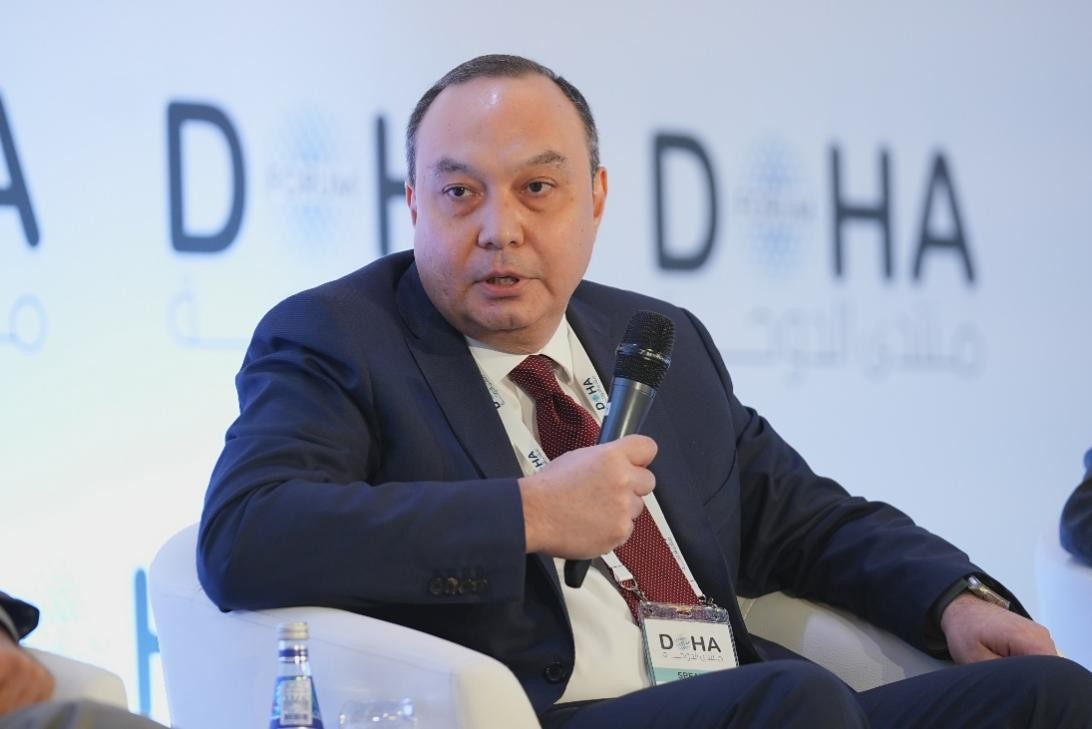
E. Aripov expressed deep gratitude to the forum's organizers and particularly emphasized the role of Qatar, which in recent years has become a key mediator in Afghan diplomacy. The Qatari platform, he noted, creates unique conditions for a non-politicized, professional, and open dialogue.
Speaking about the essence of the initiative, the Institute's director noted that the Termez Dialogue is not only an expert platform but also a strategic concept, shaping a new philosophy for international engagement in Afghanistan. According to him, this philosophy is based on the key foreign policy approach of Uzbek President Shavkat Mirziyoyev: stability is achieved through development, connectivity, and cooperation, not through pressure and isolation. The Termez Dialogue is based on the belief that peace is strengthened where jobs, transport corridors, educational opportunities, humanitarian routes, and long-term economic incentives are created.
E. Aripov stated that Uzbekistan has made a significant contribution to changing the international agenda on Afghanistan in recent years, focusing on pragmatic, economically sound solutions. Uzbekistan's initiatives—from the establishment of the Ayritom International Trade Center to the launch of a UN humanitarian hub and educational programs—have demonstrated the effectiveness of a practical approach based on regional responsibility. "This has helped to establish a common understanding: Afghanistan's development is a key factor in the security and sustainable growth of the entire Central Asia-South Asia macroregion," he stated.
The speaker paid special attention to the choice of Termez as the center of dialogue. He noted that Termez is a historical crossroads of civilizations, a strategic transportation hub, and a modern platform for economic cooperation.
In his speech, Eldor Aripov also outlined the initiative's strategic goal: creating a broad interconnected space between Central Asia and South Asia, with Afghanistan serving as a natural link. He emphasized that, in the face of global upheaval and geopolitical fragmentation, interconnectedness is becoming a new source of resilience and a kind of "investment in peace." The development of regional transport corridors, the harmonization of procedures, the digitalization of trade flows, and the synergy of educational and energy projects have the potential to transform this macro-region into one of Eurasia's key growth areas.
Eldor Aripov announced that the next meeting of the Termez Dialogue is planned for spring next year. He assured that Uzbekistan will continue to consolidate efforts to develop ongoing expert and diplomatic interaction. The next step is the launch of a specialized expert track "Afghanistan – Central Asia," which will ensure a regular exchange of opinions between relevant experts and the development of practical recommendations aimed at quickly achieving concrete results.
In conclusion, the ISRS Director invited all interested partners to visit Termez and become part of the Termez Dialogue, emphasizing that "today this initiative is not only a process, but also a strategic vision for a world based on openness, mutual benefit, and the responsibility of regional states for their own shared future."
In turn, the Afghan side highly praised Uzbekistan's efforts to ensure long-term security and stability in the region.
"Uzbekistan has demonstrated a constructive approach that is most acceptable to Kabul, based not on politicizing security issues, but on economic dialogue and engagement in regional ties," said Abdul Hai Qanit, Director of the Center for Strategic Studies at the Afghan Ministry of Foreign Affairs. This, he added, has contributed to the expansion of trade and transit ties and people-to-people contacts.
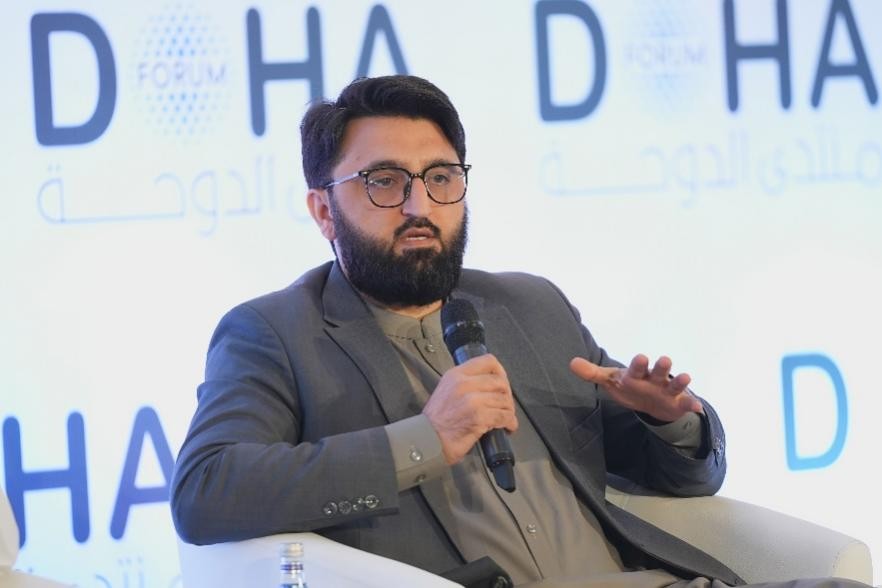
The Afghan diplomat emphasized that "Afghanistan's current foreign policy concept is focused on developing economic cooperation with the international community and integrating into regional ties."
Special Representative of the Minister of Foreign Affairs of Qatar Faisal bin Abdullah Al-Hanzab also expressed support for Uzbekistan's initiatives aimed at maintaining channels of interaction between Afghanistan and the international community.
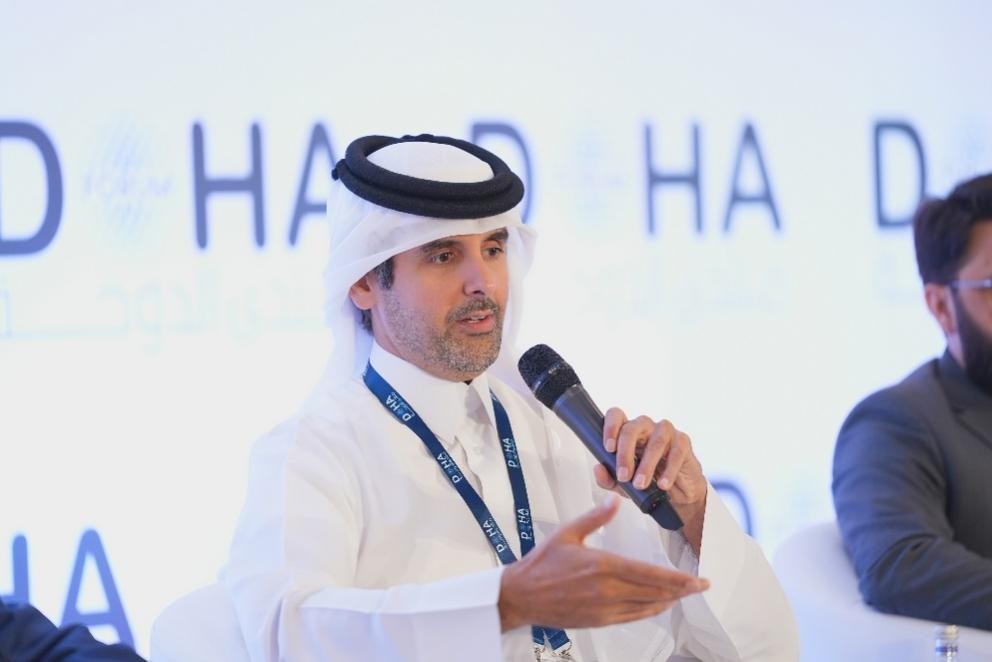
The importance of the Termez Dialogue, which facilitates the unification of states' efforts to strengthen connectivity and interregional integration, was particularly emphasized.
Supporting this view, Georgetown University Professor Waleed Ziad noted that Central and South Asia have historically represented a single space of cultural, economic, and intellectual interconnectedness, with Afghanistan at its center.
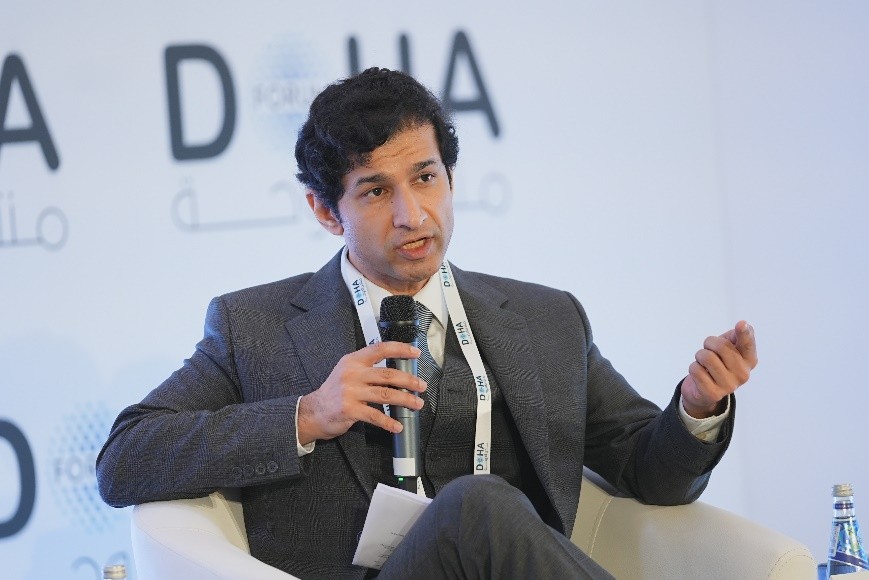
In this regard, he noted, the constructive regional policy of the President of Uzbekistan has opened up opportunities for restoring this lost connectivity.
He placed particular emphasis on Uzbekistan's position, which is to reject outdated geopolitical paradigms that viewed Afghanistan primarily through the prism of conflicts and risks. He stated that the region's long-term stability requires recognizing Afghanistan as a full participant in regional processes, as well as expanding cooperation in the humanitarian, educational, and cultural spheres.
Next

From December 6 to 8 of this year, Eldor Aripov, Director of the Institute for Strategic and Regional Studies under the President of the Republic of Uzbekistan (ISRS), participated in the annual Doha Forum, where he held a series of substantive meetings with representatives of leading Qatari think tanks and development funds.
09.12.2025


