The Fergana Valley has the potential to become a model of cross-border cooperation, peaceful resolution of complex issues, and sustainable development
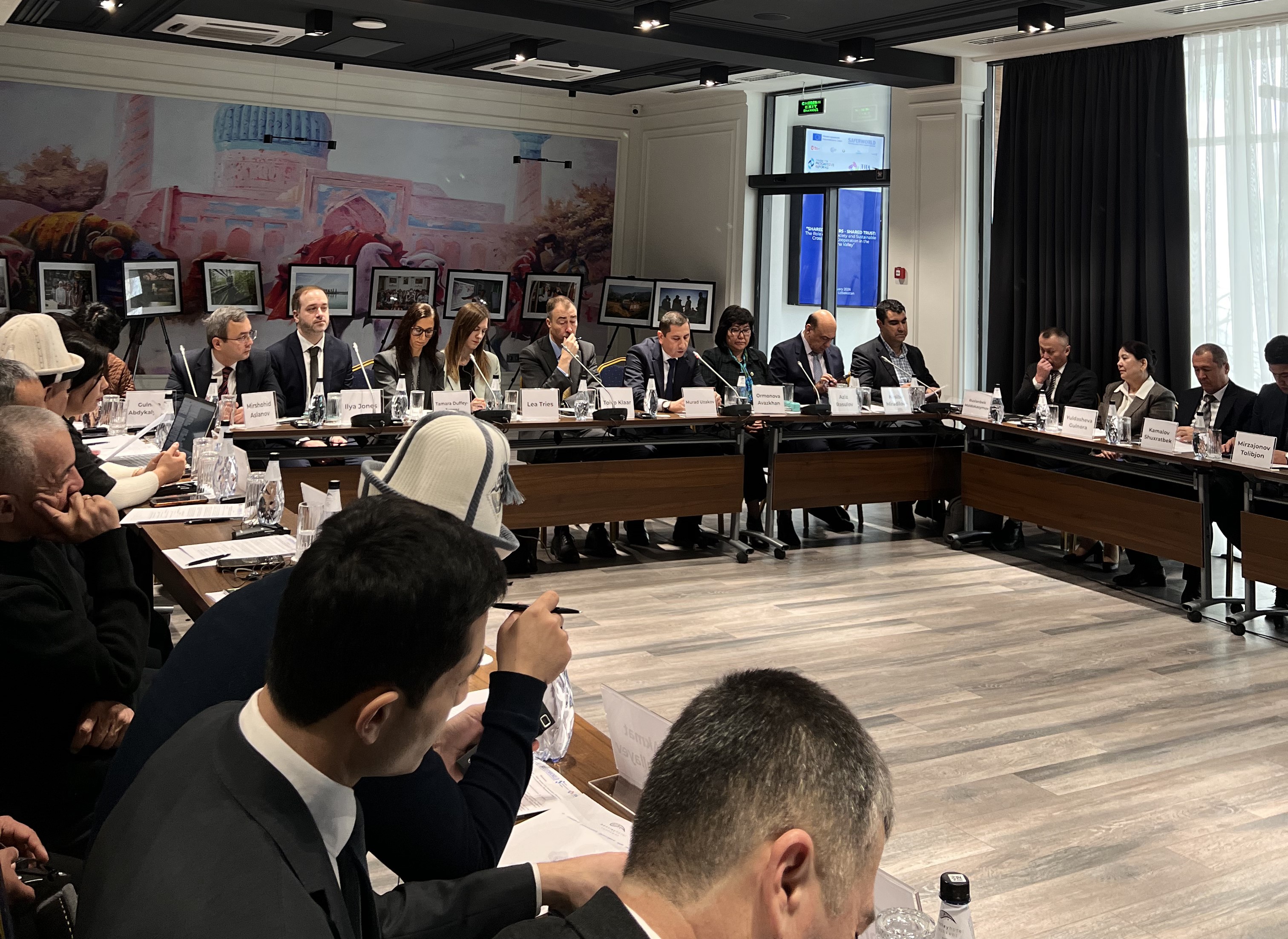
This assessment was shared by Murad Uzakov, Head of the Center for Regional Studies at the Institute for Strategic and Regional Studies under the President of the Republic of Uzbekistan (ISRS), while speaking at the conference “Shared Borders – Shared Trust: The Role of Civil Society and Sustainable Cross-Border Cooperation in the Fergana Valley”, which took place on January 26 of this year.
The event was organized by the Center for Progressive Reforms, with participation from representatives of the European Union, as well as civil society institutions from Central Asia and the EU.
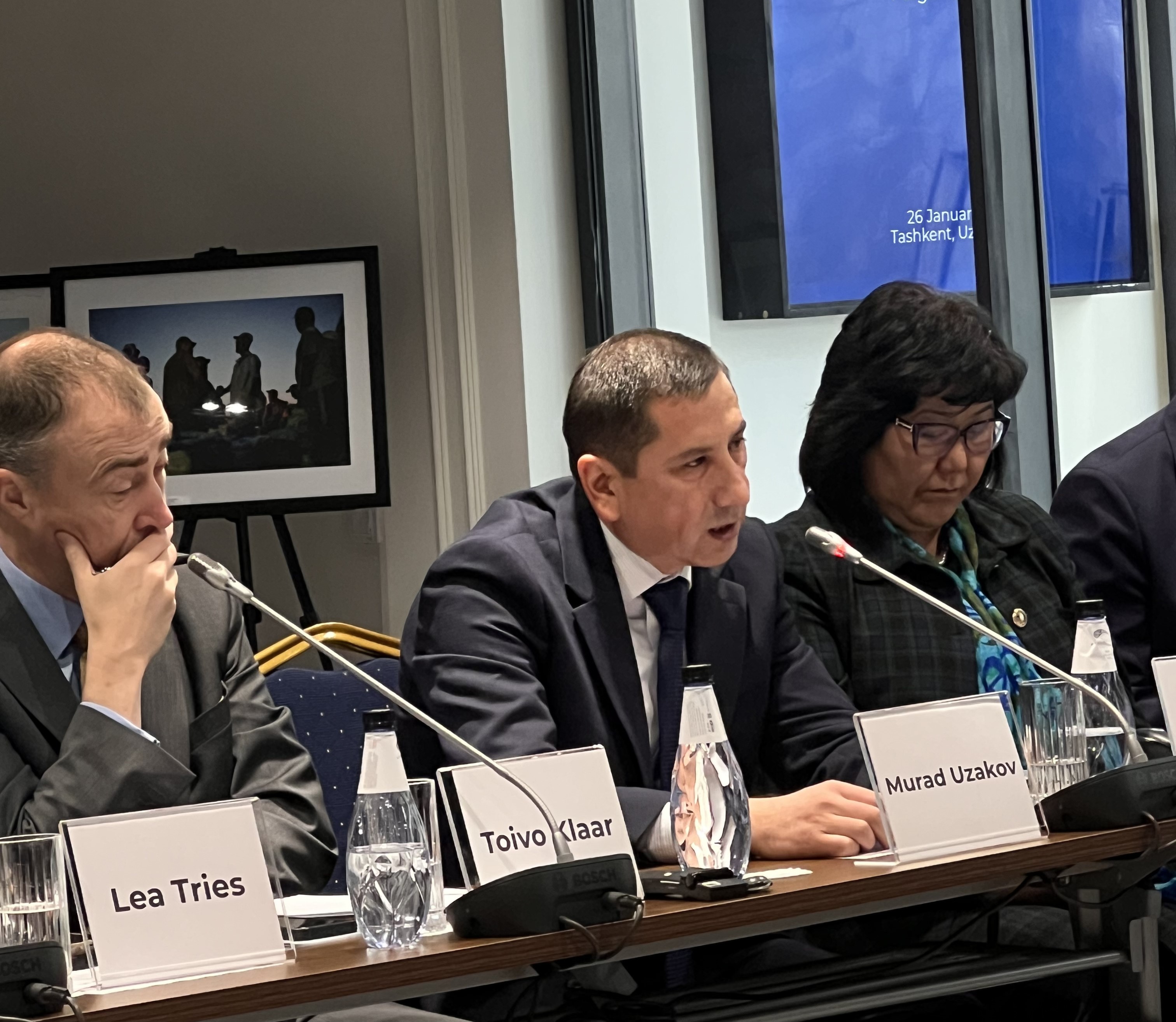
A representative of the Institute for Strategic and Regional Studies under the President of the Republic of Uzbekistan (ISRS) noted that the Fergana Valley holds crucial importance not only for Central Asia but for the stability of the entire Eurasian space amid intensifying geopolitical competition, growing polarization, and disregard for the norms and principles of international law. According to him, these trends give rise to new conflicts, undermine trust, and constrain sustainable development across entire regions.
“In this context, the experience of the Fergana Valley in resolving disputes and challenges, and in strengthening dialogue and trust, acquires particular value as tangible evidence that an alternative path – one based on dialogue, agreements, and shared responsibility – is not only possible but strategically advantageous,” the expert believes.
According to the ISRS representative, with political will and the concerted efforts of states, local communities, civil society, and international partners, these challenges can not only be neutralized but also turned into opportunities – as drivers of modernization, human capital development, and deeper regional integration.
In this context, the expert emphasized that the key factor behind these positive changes was the consistent, joint work of the region’s states. The culmination of this work was the signing, on March 31, 2025, in Khujand, of the Treaty on the Junction Point of State Borders and the Khujand Declaration of Eternal Friendship between Uzbekistan, Kyrgyzstan, and Tajikistan.
“These documents have become a truly historic milestone, finally resolving long-standing contentious issues and establishing a new philosophy of regional relations based on the principles of trust, good neighbourliness, and shared responsibility,” he said.
In the expert’s view, the agreements reached clearly demonstrated that Central Asian countries, given political will and a focus on the long-term interests of their peoples, are capable of independently finding solutions even to the most sensitive issues. In essence, the processes unfolding today in the Fergana Valley reflect a broader regional trend – the growth of consolidation among Central Asian states, strengthening of trust, and readiness to jointly ensure peace and sustainable development.
In this regard, he stressed that it is critically important not to lose the momentum achieved, but to consistently build upon it – by strengthening trust and unlocking and realizing the vast potential of the Fergana Valley. To this end, the expert noted, the Institute, together with its partners, initiated the Fergana Peace Forum, which was held on 15–16 October 2025.
It was noted that the Forum has become a new international platform for dialogue, trust, and cooperation. Thanks to its inclusive approach – bringing together government bodies, civil society, the expert community, and international partners – the Forum today stands as a successful and highly demanded platform.
According to the ISRS representative, participants of the Fergana Peace Forum, in the Joint Communiqué adopted following the event, called for the Forum to be given a regular and ongoing character. This appeal reflects a shared understanding that only through joint efforts, dialogue, and partnership can trust be strengthened and sustainable mechanisms of regional cooperation be built.
He emphasized that the initiative has received support at the highest political level. In particular, President of Uzbekistan Shavkat Mirziyoyev, speaking at the Consultative Meeting of the Heads of State of Central Asia held in November last year in Tashkent, reaffirmed the importance of the Fergana Peace Forum as an effective instrument for confidence-building and joint resolution of regional challenges.
In this regard, according to Murad Uzakov, in order to ensure the sustainability and systemic nature of the Forum, it is essential to pool the efforts of civil society institutions, international partners, and the states of the region. In this context, the activities of public and international organizations become critically important for facilitating dialogue and strengthening trust at the local level, as well as for maintaining effective feedback mechanisms between communities and public authorities aimed at jointly addressing challenges and preventing conflicts at an early stage.
The expert also believes that, alongside the development of social partnership with the state, it is equally important to consistently scale up successful cross-border initiatives, ensure sustainable financing and effective coordination of joint projects, so that cooperation becomes an integral part of a long-term regional strategy for peace and development.
In conclusion, M.Uzakov emphasized that only through collective efforts can the progress achieved be consolidated, cross-border cooperation be given a sustainable and systemic character, and the Fergana Valley be transformed into a space of cooperation, creation, and trust.
Previous

On January 27 of this year ISRS Director Eldor Aripov held a meeting with Lea Tries, Program Manager at the European Commission’s Service for Foreign Policy Instruments (FPI) and Michaela Zelenanska, Political Affairs Officer at the Delegation of the European Union to the Republic of Uzbekistan.
27.01.2026Next

On January 29, 2026, an online conference will be held on the topic: “Uzbekistan – Pakistan: Strategic Partnership, Connectivity and Sustainable Development in a Changing World.” The conference is timed to coincide with the upcoming visit of the President of the Republic of Uzbekistan, Shavkat Mirziyoyev, to the Islamic Republic of Pakistan.
28.01.2026


