
Economy, Transport, Technologies, and Human Capital are Strategic Areas of Uzbek–Pakistani Cooperation
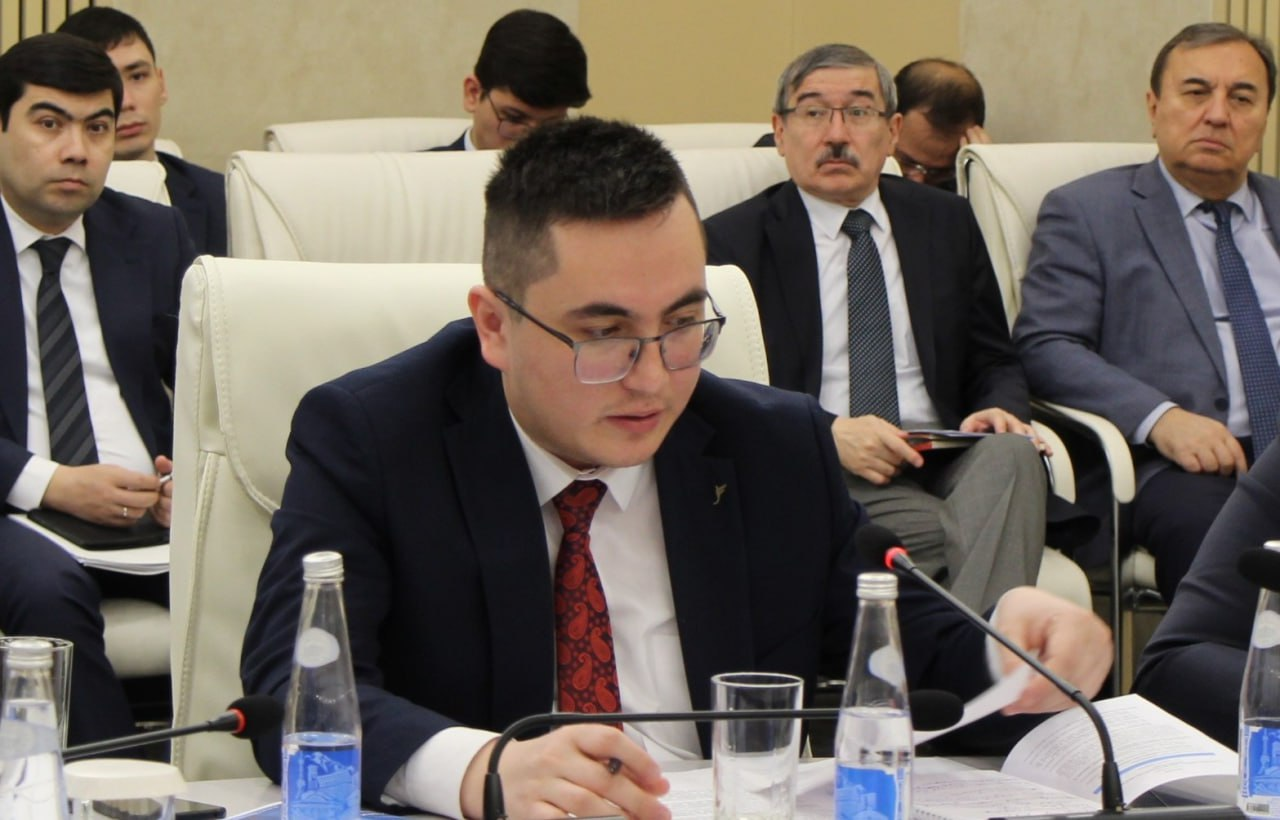
This view was expressed by Chief Research Fellow of the Institute for Strategic and Regional Studies under the President of the Republic of Uzbekistan (ISRS), Umarbek Nuriddinov, during a roundtable discussion titled “Uzbekistan–Pakistan: Building Links between Regions and Creating New Opportunities,” held on 23 January of this year.
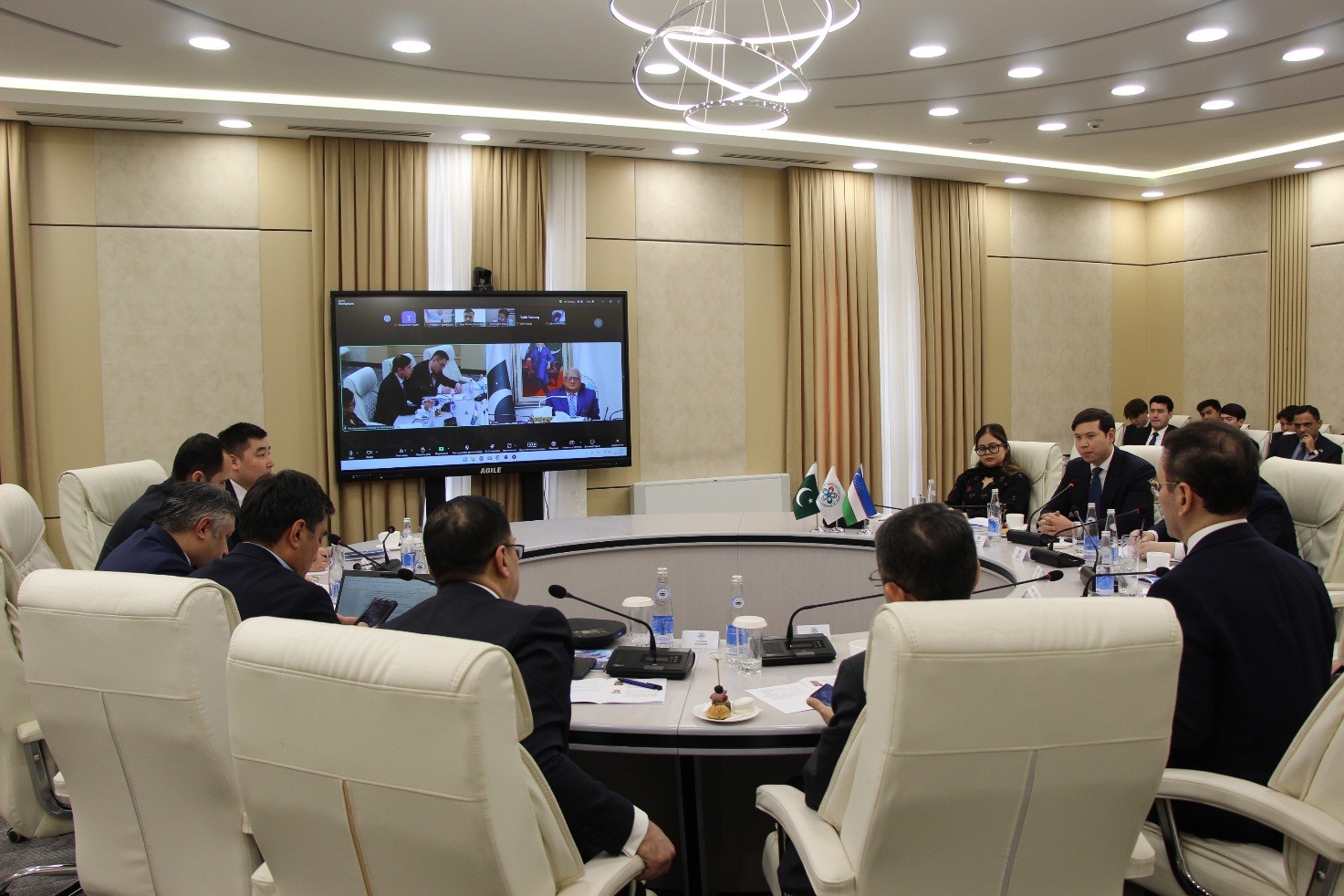
The event was organized by the International Institute of Central Asia in cooperation with the Embassy of the Islamic Republic of Pakistan in Uzbekistan. Representatives of government bodies, leading analytical centers, as well as research and educational institutions from both countries took part in the meeting.
During the roundtable, special attention was given to the discussion of current issues in Uzbek–Pakistani cooperation, as well as promising areas of interaction in the trade and economic, transport, energy, and cultural and humanitarian spheres.
As the ISRS representative noted, “the international environment is going through a period of profound transformations, characterized by rising global uncertainty, fragmentation of supply chains, the strengthening of protectionism and sanctions regimes, as well as growing climate and resource challenges, which together are shaping a fundamentally new geo-economic reality.”.
Under these conditions, he stressed, the key factors of competitiveness for developing countries are the quality of economic growth, diversification, resilience to external shocks, and the ability to integrate into new regional and interregional economic configurations.
In this context, the expert emphasized the relevance of forming a common regional economic space and developing sustainable models of mutually beneficial partnership.
It was noted that Uzbekistan and Pakistan are located within a shared geo-economic space of Central and South Asia and possess significant economic, resource, transit, and human potential.
At the same time, as U.Nuriddinov pointed out, “both countries face similar structural challenges, including dependence on raw-material and semi-processed export models, a technological gap, the need to diversify the economy, and growing pressure on labor markets.”
In his view, it is precisely this common set of challenges, combined with existing geostrategic advantages, that objectively calls for the consolidation of potential and the deepening of economic interaction.
In this regard, the expert highlighted a number of interrelated strategic areas of cooperation.
First, amid rising logistics costs and the instability of traditional routes, transport connectivity is gaining key importance as a factor in diversifying external economic ties. In this context, the need to intensify joint efforts to develop transport and logistics corridors as a basic element of economic security and external economic resilience was emphasized.
Second, economic cooperation should be oriented not only toward increasing trade volumes, but also toward building joint value-added chains.
Priority areas were identified as agriculture and the agro-industrial complex, the textile and food industries, the mining sector, the production of construction materials, pharmaceuticals, as well as the banking and financial sector. The importance of implementing joint industrial projects with high value added, creating agro-clusters and industrial parks, and introducing modern technological solutions was also underlined.
Third, under conditions of global competition for technologies, cooperation in the field of information technology is acquiring strategic importance.
It was noted that both countries possess significant human capital, formed primarily by a young population actively developing digital skills. In this regard, the expediency of implementing joint projects in software development, digital platforms, e-commerce, and innovative services was emphasized.
Fourth, the demographic structure of Uzbekistan and Pakistan creates substantial potential for deeper interaction in education, as well as in the training and retraining of personnel. “In the strategic perspective, this contributes to the formation of a sustainable human-resource base for industrial and technological cooperation, strengthens interdependence between the economies, and creates prerequisites for long-term growth in their competitiveness,” the ISRS representative stated.
In conclusion, U.Nuriddinov noted that “deepening cooperation in the fields of economy, technology, and human capital meets the long-term interests of Uzbekistan and Pakistan and corresponds to the current global environment.” According to him, such interaction makes it possible to unlock untapped potential, enhance the resilience of national economies, and also fosters mutual interest in stability, predictability, and sustainable development of the regional environment.
Previous

On January 21-22, a national seminar dedicated to combating the use of new technologies for terrorist purposes was held at the Academy of the Ministry of Internal Affairs.
24.01.2026Next

On January 26, 2026, the Director of the Institute for Strategic and Regional Studies (ISRS) Eldor Aripov held a meeting with Ben Bradshaw, Assistant Vice-President of the University of Guelph (Canada).
26.01.2026


